Empowering Patients: The Intersection of Nutrition, Lifestyle, and Hope in Cancer Care
In the world of oncology, where every diagnosis can feel like an uphill battle, the intersection of nutrition, lifestyle, and hope emerges as a beacon of light for patients. Imagine walking into a clinic, and instead of drowning in a sea of clinical terminology and overwhelming illness, you find yourself surrounded by conversations about nourishing the body, uplifting the spirit, and empowering individuals to reclaim their lives. This is not just a dream; it's a growing reality in cancer care today. As we delve deeper into how nutrition and lifestyle choices transform patient care, it's essential to understand that these factors are more than mere adjuncts to medical therapy; they are pivotal players in the journey toward recovery, resilience, and a renewed quality of life.
Every cancer survivor has a story, a unique journey filled with challenges and triumphs. I recently spoke with Karen, a breast cancer survivor, who emphasized how nutritional education played a crucial role in her healing process. 'When I learned that what I put into my body could affect my treatment outcomes, it became a turning point for me,' she shared. This simple yet profound realization illustrates the power of knowledge. By embracing a holistic approach combining medical therapies with lifestyle adjustments, patients can foster an environment where hope flourishes amid fear. The lessons learned from survivor stories like Karen's inspire both patients and communities to become proactive in their health journeys.
Nutrition is not just a backstory in oncology; it's a central character. Recent research studies demonstrate how specific dietary choices can bolster the body’s defenses against cancer and support recovery. Foods rich in antioxidants, fiber, and vitamins can enhance immune function and mitigate the side effects associated with treatments. For instance, studies have shown that patients who engage in self-care through mindful eating tend to experience improved emotional and physical well-being. Consequently, these lifestyle modifications can significantly improve the quality of life during and after treatment. So, how can we integrate these nutritional strategies into our everyday lives to nourish our bodies and spirits?
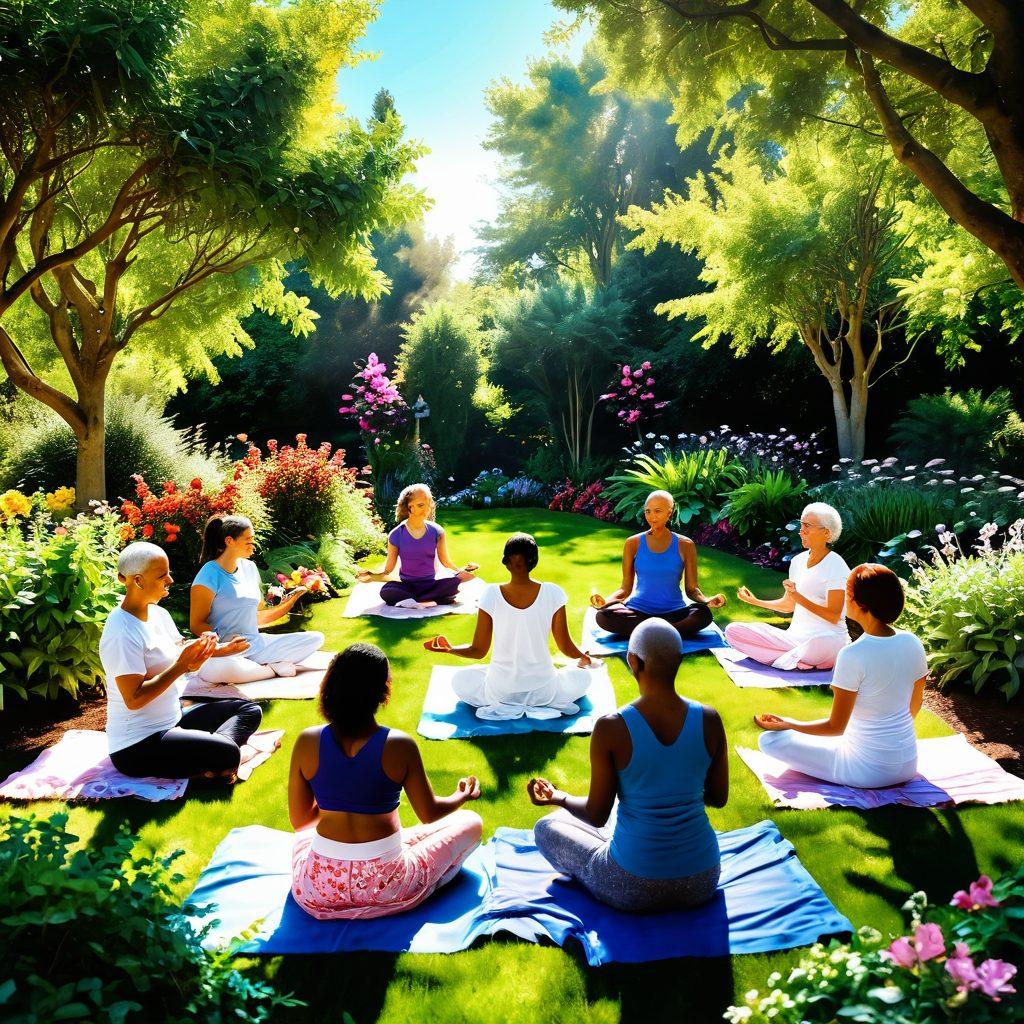
Beyond food, the lifestyle choices we make daily can have a profound impact on our emotional and physical health. Incorporating regular physical activity not only helps alleviate fatigue but can also reduce anxiety and depression, common companions during cancer journey. Engaging with community support groups offers emotional backing that is equally vital. Whether it’s a yoga session tailored for cancer patients or a cooking class focused on nutrient-rich meals, these experiences create bonds and foster a sense of belonging. They turn what could be isolating illness into a shared journey fueled by hope and mutual encouragement.
Ultimately, the integration of nutrition, lifestyle, and emotional support is shaping a new horizon in cancer care. By becoming educated about available resources—including clinical trials exploring innovative therapies—patients can take charge of their health narratives. The ongoing conversation about cancer awareness and screening must also evolve to include these dimensions of care. Imagine a future where cancer treatment doesn't just mean surviving the illness but thriving through the experience. Let’s bridge the gap between sickness and wellness, encouraging each other to live vibrantly, not just through medical paths but through our choices and community. Hope is powerful, and together, with nutrition and supportive lifestyles, we can ignite it into our lives.
Beyond Treatment: Empowering Patients with Resources and Community Support
When it comes to cancer care, the journey is not solely defined by medical treatments or therapies. It's also a deeply personal saga that intertwines nutrition, lifestyle, and a supportive community. As patients navigate the rocky terrain of illness, they often seek not just remedies for their disease, but also empowerment through education, resources, and emotional support. This blog addresses how going beyond conventional treatment can enrich the patient experience and provide a nurturing environment where hope thrives and quality of life improves. Are you ready to explore how communities and personal choices can significantly affect the cancer journey?
Imagine waking up each day with a renewed sense of hope. For many cancer patients, the weight of their diagnosis can be overwhelming. However, integrating nutrition and lifestyle changes into their daily routine can spark a transformation that fosters not only physical well-being but also emotional resilience. Recent research studies show that a balanced diet and an active lifestyle can bolster treatment efficacy and enhance self-care. Patients are not merely recipients of treatment; they can become proactive participants in their own healing process. Isn't it comforting to think that you hold a piece of the puzzle in your cancer journey?
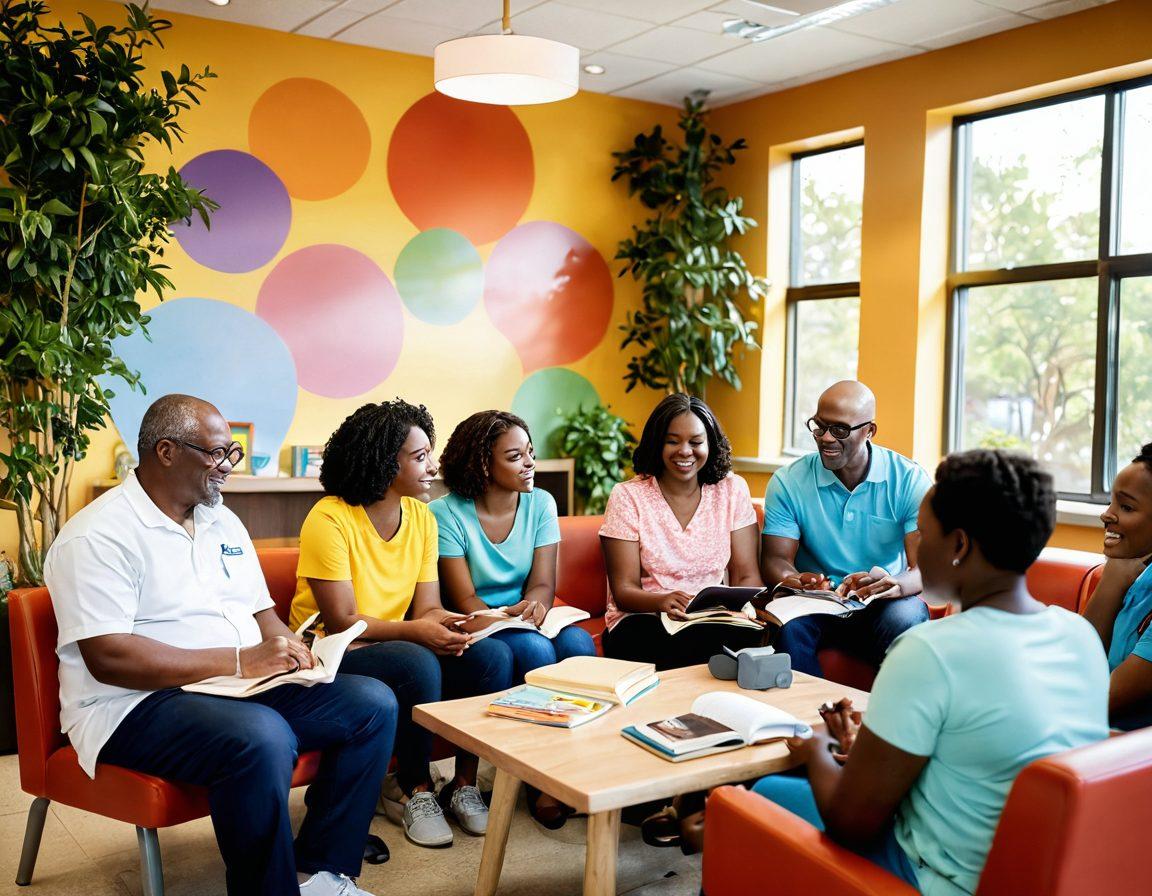
The power of community support in oncology cannot be overstated. Joining groups where cancer survivors share their stories can provide a wealth of knowledge and hope. These survivor stories often serve as beacons of possibility, reminding current patients that they are not alone in their fight. Whether it’s through local meetups, online forums, or social media, finding a supportive circle can help alleviate feelings of isolation and encourage patients to engage in their healing journey actively. Have you ever felt the impact of community during challenging times, and how could it shape your experience in facing illness?
In the realm of patient care, access to educational resources is crucial. Armed with knowledge about nutrition tailored for cancer patients and insights into the latest clinical trials, individuals can make informed decisions that resonate with their unique circumstances. From cooking classes focusing on cancer-fighting foods to workshops on lifestyle changes, these resources promote empowerment. How many times have you wished for a guide on how to tackle the emotional and physical aspects of your diagnosis? Cancer awareness initiatives can play a pivotal role in bridging the information gap and directing patients to vital resources.
The intersection of self-care and hope in cancer care is an ever-evolving journey. As patients implement lifestyle changes, they often encounter challenges and triumphs that shape their identity in the face of disease. The prospect of living well amid illness can be daunting, yet it is just as attainable as medical recovery. With proper emotional support and community backing, the fear of a cancer diagnosis can transform into a narrative of triumph and resilience. Wouldn’t it be amazing to rewrite the story of your illness—from fear to hope, from treatment to empowerment? Together, through education, nutrition, lifestyle changes, and the collective strength of a compassionate community, we can redefine what it means to thrive during and after a cancer journey.
Survivor Stories: The Role of Self-Care and Education in Oncology Journey
Surviving cancer is an arduous journey, one that encompasses not just the physical challenges but also the emotional and mental hurdles that come with a diagnosis. Many patients find that alongside medical treatment, self-care and education play a pivotal role in their recovery. This connection becomes evident in the survivor stories we often hear—stories of hope and resilience. What if we could harness the power of these experiences to inspire others navigating the tumultuous waters of oncology? Let’s delve into how self-care and education can be transformative in the cancer care landscape.
Imagine waking up each day with a renewed sense of purpose, empowered by the knowledge of your illness and the steps you can take to improve your health. Survivor stories often highlight the importance of nutritional choices and lifestyle changes that not only combat the disease but also enhance the quality of life. One cancer survivor shares, 'I took control of my journey by educating myself about nutrition and embracing a healthier lifestyle.' This idea leads us to ask: How can we use the lessons learned from such stories to shape our approach to patient care in oncology?
Community support forms an essential pillar of the self-care process during cancer treatment. Many survivors find solace in the shared experiences of others who have faced similar trials. From peer-led support groups to online forums, engaging with a community can provide the emotional support necessary to combat feelings of isolation. As another survivor puts it, 'In sharing my journey, I found strength in others—and ultimately, I discovered my own courage.' These survivor stories remind us of the vital role of community in the healing process, one that can often be overlooked in clinical trials and research studies focused solely on medical advancements.
Education extends beyond understanding medical jargon; it encompasses learning about nutrition, lifestyle choices, and the importance of attending regular screenings for early diagnosis. Patients who embrace this education often report a greater sense of agency over their illness. This proactive approach can be life-changing and is a recurrent theme in many survivor stories. Imagine harnessing educational resources to better arm patients against their disease. What would that look like in practice?
Ultimately, the intersection of self-care, education, and the unwavering spirit of hope creates an environment conducive to healing in oncology. Survivor stories remind us that cancer is not just a disease to be battled but a life journey that can lead to profound transformation. The hope expressed by those who have faced their illness head-on serves as a beacon for others. Together, by sharing these narratives and emphasizing the importance of patient care, self-care, and community support, we can inspire a culture of positivity and resilience in cancer care. The road may be tough, but united, we can empower each other to overcome the darkest of days.